When it comes to compact cars from the late ’90s, the 1997 Suzuki Swift often stands out as a memorable choice for many drivers. Known for its affordability and fuel efficiency, the Swift was a popular option for those seeking a practical and economical vehicle. However, like any car from that era, it wasn’t without its quirks and challenges. The 1997 Suzuki Swift, while praised for its nimble handling and compact design, has had its share of mechanical and electrical issues. From transmission troubles to electrical gremlins, these problems have been a source of frustration for some owners.
Suzuki Swift Engine Specifications
Known for their economical 1.3 and 1.5 litre engines, this Suzuki won’t break the bank on running costs either. Suzuki has never had much more than a toehold in the Australian market despite having a reputation for solid engineering. It’s that motorcycle connection that helps explain the nature of the company’s cars, which have always been light with power delivered by small jewel-like engines that love to be revved.
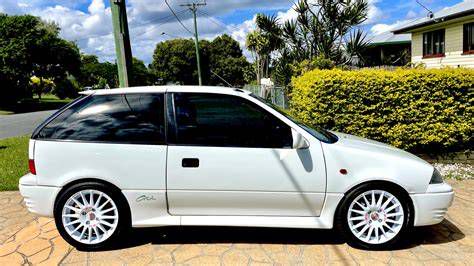
The Swift GTi was the sporty version of the Swift hatch. It was a pocket rocket that won a following with younger drivers who came to admire its giant-killing capacity when pitted against bigger and much more powerful cars in rallying and on the racetrack. Weighing a mere 830 kg fully dressed, the GTi didn’t need much in the way of grunt to get it moving swiftly. Power was provided by a diminutive 1.3-litre double overhead camshaft four-cylinder engine that was able to generate 74 kW when at its angriest, which was when it was spinning at 6450 revs. Maximum torque was a tiny 113 Nm at 4950 revs. A five-speed manual gearbox processed the power before sending it on to the front wheels for transfer to the road. To get the best out of it you had to clamp your right foot to the floor and keep it there. Soft peddling would get you nowhere.
In fact, even when you did rev it, the result was hardly likely to take your breath away. Under the pressure of a stopwatch a Swift GTi would still take more than 17 seconds to cover the standing 400-metre sprint. The reality was that the GTi wasn’t that quick in a straight line, but that wasn’t its strength. The GTi came into its own when the road twisted and turned, its low weight helped make it nimble, which was the real key to its appeal. Henry Chung once owned a 1997 Suzuki Swift GTi and his memory of it was that it was a zippy little hatchback that loved to be revved, but was economical to run, easy to maintain and could be readily modified to increase its performance.
Common Problems and Reliability Issues
The 1997 Suzuki Swift has a few reliability issues, with one of the more common problems being the ABS light illuminating. This could indicate potential issues with the anti-lock braking system, which might require attention to ensure safe driving.
For the GTi model, its light construction, and the real chance they have been driven hard and fast by enthusiasts, means they need to be approached with caution. Look for doors that have sagged, hatches that don’t quite fit the body openings properly, and general squeaks and rattles. Many have been used in competition over the years so look for odd holes and modifications to fit safety equipment like fire extinguishers, racing harnesses and roll cages. Steer clear of any car that appears to have been used in that way.
Engine and Transmission Issues
While the engine is a gem, it should be checked thoroughly for wear. Watch for oil smoke from the exhaust, which might indicate worn rings or other deeper internal issues needing attention. Engines appear to be more or less bulletproof, but there have been a few failed clutches and untoward noise from manual gearboxes, while the synchromesh on second gear doesn’t like to be hurried. However, even this is a rare problem.
There is a well-known issue with this Suzuki causing the clutch to judder. It can often be a symptom of deeper problems within the clutch unit, which can manifest when the weather is cold. If the problem is particularly severe, especially on changing down, then it could be that the vehicle requires a complete replacement clutch.
Another problem with the Swift is an issue with the gearbox. Pay special attention to the feel of the shift as you move up and down through the gears. Detect any stiffness in the mechanism? Some early Swift models have experienced gearbox problems because the bearings wear out prematurely, leading to unusual grinding or whining noises. Stiff gear changes are an early warning sign.
Suspension and Steering
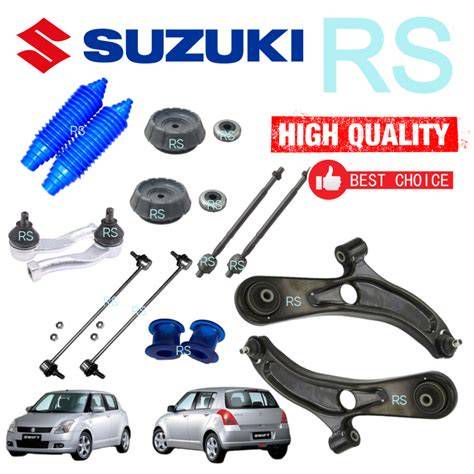
Listen for clicking noises from the front suspension when turning, which suggests the CV joints are worn and need replacing. From rattles in the front of the car to squeaks coming from the suspension. Listen out during any slightly rough ride for high pitched noises originating in the front of the Suzuki. These are an indicator that the front bushes may be on their way out. There have been occasional reports of squeaking from the suspension which has generally been cured by a replacement bush or suspension arm.
Exterior and Interior Concerns
Many Suzuki Swifts are used as city cars so check for parking damage and dings as well as scuffs to bumpers and alloy wheels. By modern standards the Swift has quite an upright windscreen and owners report that they are susceptible to stone damage. The headlamps should also be examined for damage as they are large and expensive to replace.
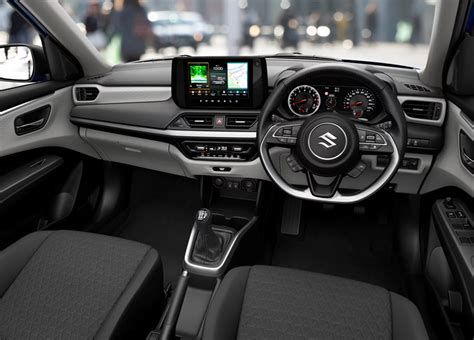
Those cheap interior plastics don’t wear too well, so check for any scratches or damage and examine the boot for signs of wear - it’s not huge and can be affected if larger loads have been carried, especially around the high loading lip. Whilst by no means fatal the constantly rattling dashboard will become irritating and may mask the noise of more serious problems. Another potential rattling sound could be coming from the electric window. If you’re hearing this sound and noticing that the window is falling slightly in its seating then the likely culprit is a small bolt that could well have come loose.
Brakes and Electrical Systems
Take the time to park your potential Suzuki purchase on a bit of an incline and check that the handbrake holds the vehicle in place. There is a known issue with the calibration on the brake that can cause it to malfunction. Cars that go unused for periods of time can succumb to flat batteries.
Suzuki Swift 5 - Check For These Issues Before Buying
Safety Considerations
In a crash: Light construction, the capacity to go quickly, and a lack of ABS anti-skid brakes and airbags means the GTi doesn’t score highly on the safety scale. In recent real life crash surveys the Swift has been rated significantly worse than average, not a good report at all.
Detailed Look at Common Issues and Indicative Repair Costs for Older Suzuki Swift Models
| Problem | Symptoms | Indicative Repair Cost (for comparable issues in newer Swift models) |
|---|---|---|
| ABS light illuminating | Potential issues with the anti-lock braking system. | No specific cost given for 1997 in draft, but requires diagnosis. |
| Gearbox problems | Unusual grinding or whining noises, stiff gear changes, premature bearing wear. | Average £328.28 (for 3rd generation Swift). |
| Squeaking suspension / Worn suspension bushes | High-pitched noises from the front of the car, squeaking from the suspension. | Typically £120-£200 for a replacement suspension arm or bush. |
| Worn CV joints | Clicking noises from the front suspension when turning. | No specific cost given in draft. |
| Clutch judder | Clutch judders, especially in cold weather or when changing down. | May require complete clutch replacement (cost not specified). |
| Oil smoke from exhaust | Indicates worn rings or other deeper internal engine issues. | No specific cost given in draft. |
| General interior rattles and poor fitment | Rattling dashboard, rattling electric windows, sagging doors, ill-fitting hatches. | Cost varies depending on the specific issue and required repair. |
| Stone damage to windscreen | Susceptible to stone chips. | No specific cost given, but replacement can be expensive. |
Overall Reliability of the Suzuki Swift
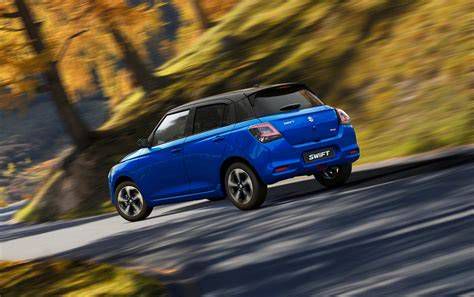
The good news is that there are very few common problems to affect the Swift. In our 2023 list of the most reliable used cars on sale for models between six and 20 years old, the Swift was ranked third-best small car; only the Honda Jazz and Toyota Yaris fared better. The Suzuki Swift is one of the most reliable small cars. Overall, there aren’t any notorious “bad years” for the Swift. It has an excellent reliability record across its generations.
The Suzuki Swift is one of the most reliable small cars on the market, as shown by its recent What Car? Reliability Survey results: 2023 - 1st place out of 19 cars - 99.5%; 2024 - 7th place out of 15 cars - 95.7%. Though the Swift’s place in the 2024 survey was less impressive, the issues raised were minor. 4% of owners reported problems, mainly related to the interior trim.
If you want a good second-hand car that has very few problems and won’t scorch your bank balance then why not look at the Suzuki Swift? However, if you’re shopping for a used model, it’s worth paying closer attention to: 2005-2010 (third-generation Swift): These earlier cars are more likely to experience gearbox bearing problems, noisy brakes and front tyres that wear out quickly. If you’re considering one, check for smooth gear changes, listen for any grinding or whining noises and inspect the tyres and brake history carefully. Later fourth- and fifth-generation Swifts have far fewer reported issues and are a safe bet from a reliability perspective, provided they’ve been serviced on time.